
Phần cứng
Apple Silicon's Real Legacy: The Death of the Discrete Everything
Bởi Kenji Nakamura | 28 thg 6, 2026 | 6 phút đọc
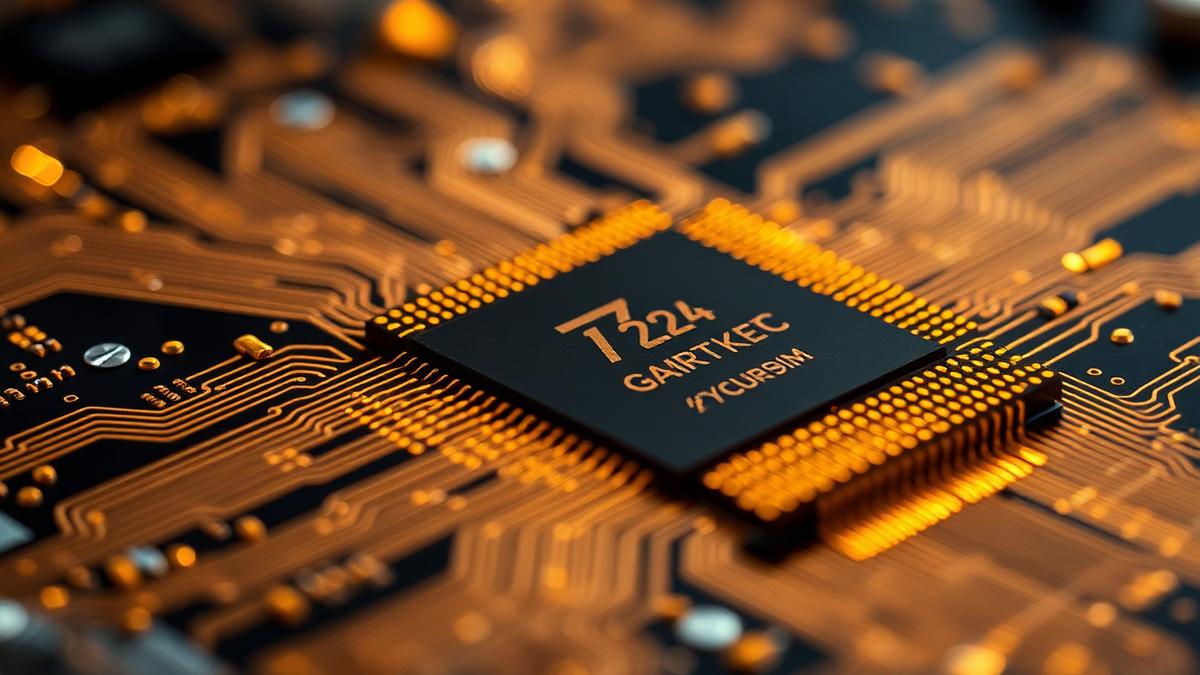
The integration doctrine
When Apple shipped the M1, skeptics called unified memory a compromise. Five years later, every major chip vendor is racing toward the same architecture: CPU, GPU, NPU, and memory fused into a single package with shared bandwidth measured in terabytes per second.
Why discrete lost
The physics are unforgiving. Moving data between separate chips costs orders of magnitude more energy than computing on it. As AI workloads made memory bandwidth the binding constraint, the discrete GPU's architectural disadvantage became fatal for everything except the highest-end training clusters.
The new landscape
Laptops are already fully integrated. Workstations are following. Even datacenters are moving to integrated superchips for inference. The discrete component is not dead — but it is becoming what the mainframe became: a specialized tool for the few workloads that genuinely need it.
Bài liên quan
Đọc tiếp

The Age of Autonomous Agents: How AI Is Rewriting Software Itself
Agentic AI systems are no longer research demos. They are shipping to production, and they are changing what it means to build software.
9 thg 7, 2026|8 phút

Inside the $2B Bet on Sovereign Cloud Infrastructure
European governments are pouring billions into cloud independence. The technical challenges are enormous — and so are the opportunities.
8 thg 7, 2026|7 phút

Zero-Day Markets Are Booming. Defenders Are Losing the Price War
Exploit brokers now pay up to $20M for mobile zero-days. Security teams cannot match those incentives — but they can change the game.
7 thg 7, 2026|6 phút